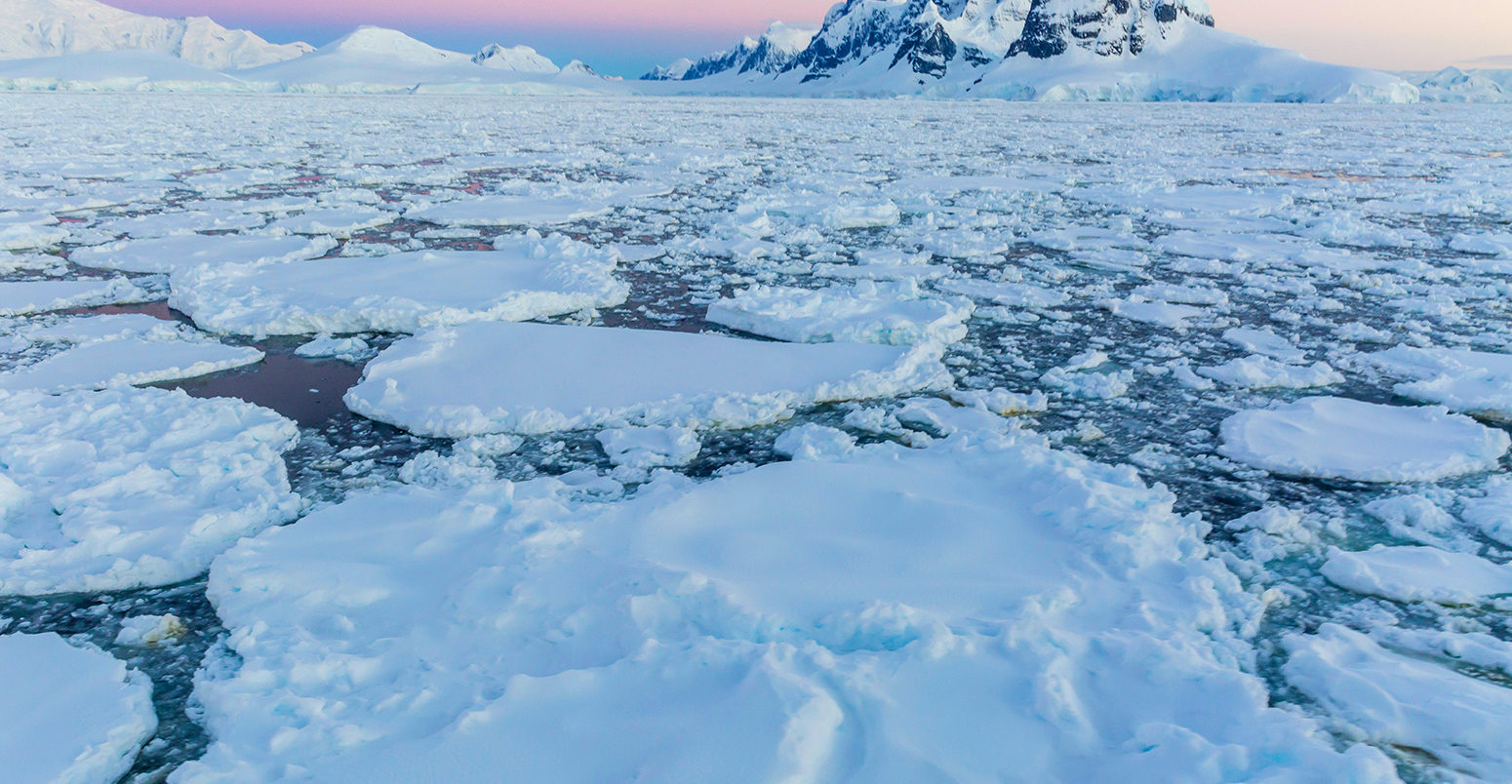
Alyssa and Gabriella have decided to study the issue of climate change in Antarctica. We complied general information involving the profile of this continent.
General History
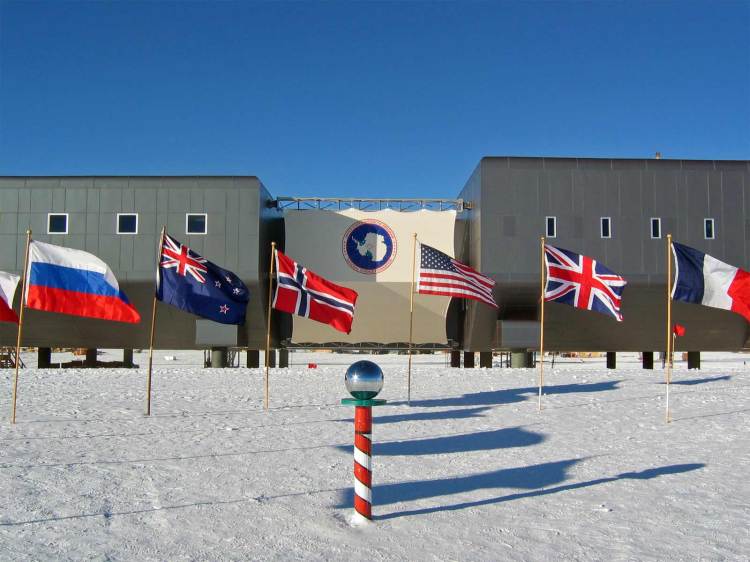
People had little interest in Antarctica until the late 1800s because most viewed it simply as a big block of ice. Carl Larson, Henrick Bull, Adrien de Gerlache, and Carsten Borchgrevnik were some of the first to discover the continent from 1890-1900. From then on, many more expeditions were made to Antarctica to explore the unfamiliar place more. In 1944, the British developed a military base while the Australians developed a scientific base in 1954. Many countries maintain a base in the continent today, declaring Antarctica as a place for countries to use for ‘extra space.’ In 1959, The Antarctic Treaty was drawn up and it came into force in 1961. (Lambert 2019). It prohibited the military use of Antarctica. The authors of the treaty declared it as a space for countries to use for battle and they wanted that to be prevented. Twenty-eight parties of the 50 that are involved in the treaty partake in the consultation of decisions for Antarctica. (U.S. Department of State 2009).
Natural resources
Antarctica is home to many natural resources available via mining. Although, when the Arctic Treaty was written, the allowance of any other country to mine was not even discussed, just prohibited. In the 1980s, many countries brought up the idea again as some were interested in minerals such as silver, gold, copper, iron, nickel, cobalt etc. (N. A. Wright and P. L. Williams 1974). In order to fully protect these natural resources, the Protocol on Environmental Protection to the Antarctic Treaty was added to the original treaty. This will keep Antarctica under protection until 2048, when it will then be discussed on further action. (U.S. Department of State 2009).
Ecology
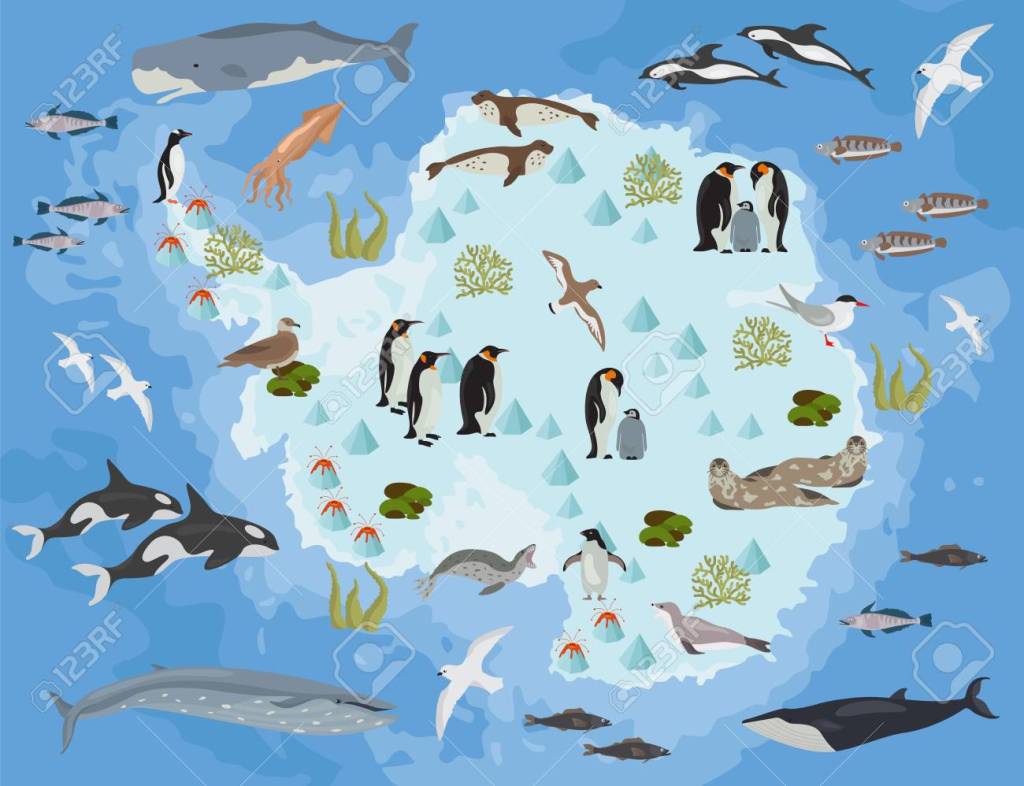
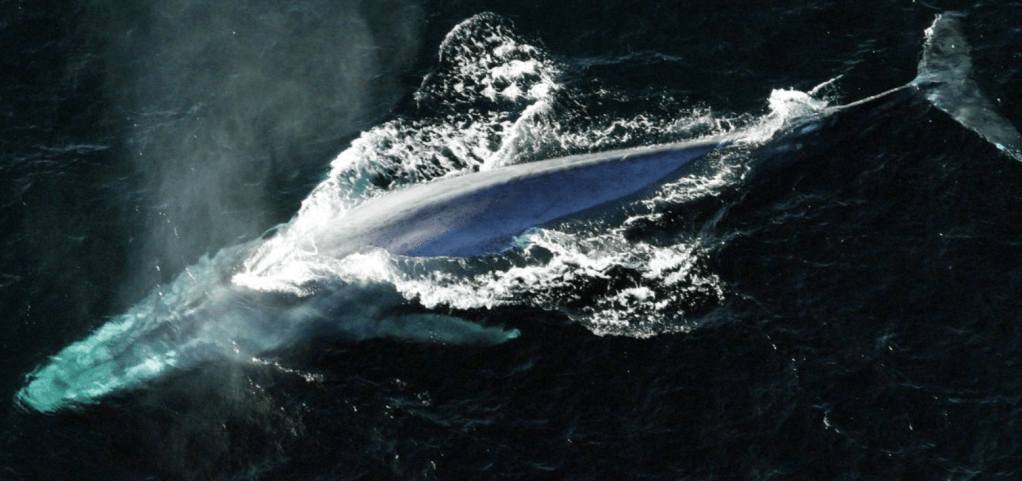
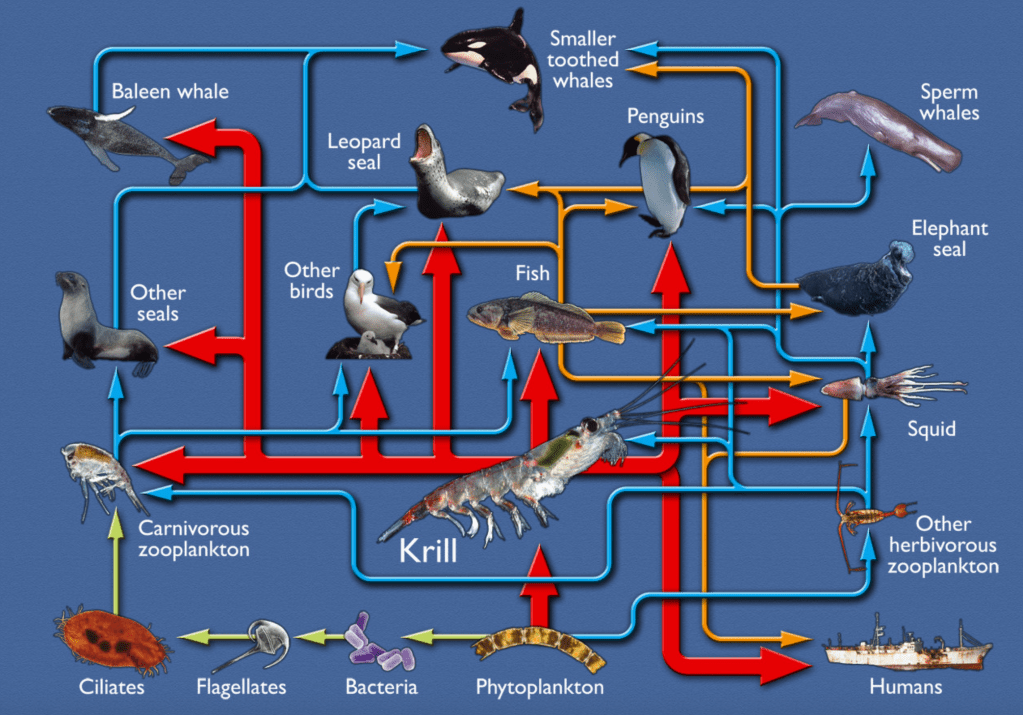
There is quite a bit of animal life in Antarctica, like krill, penguins, fish, whales, seals, etc. These types of animals have adapted to their living conditions, but still face many issues. Krill feeds on algae found on the bottom of sea. With the ice melting, krill populations are decreasing as well. Adelie penguins feed on krill, so their populations have decreased. The weather conditions have also changed in their nesting areas. Emperor penguins are also affected because even a 2 degree Celsius can negatively impact their daily lives (Climate Change 2020). Certain types of Antarctic fish use the ice to hide from predators, like penguins and seals, who hunt from the top of the ice platforms
Atmosphere
Antarctica, as it is most well known for, is almost fully covered with glacier ice.” Due to this ice cover, Antarctica has the highest average elevation of all the continents at around 2000m above sea level.” While it is unique for its height, it is also very well known for being abnormally dry and abnormally cold. It seems obvious that it is a very cold location, but some are surprised that it is a very dry place. Although, Antarctica has a very low record of rain each year. It is usually “described as a polar desert.” (Discovering Antarctica 2020).
Economics
Due to a very low amount of citizens in Antarctica, the country relies on tourism for their economic growth and stability. The surrounding waters provide lots of fish that big companies capture and sell, while Antarctica gets a profit. Through The Commission for the Conservation of Antarctic Marine Living Resources, marine life is protected and companies are not allowed to come in and abuse the ecosystems. (Central Intelligence Agency 2019).
The People
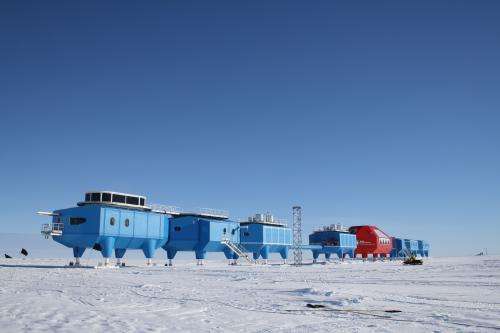
Technically no humans currently live on Antarctica; however, there are several service stations people come to do research at. Typically, in the peak of summer, 500-1000 people may temporarily live here for a bit. (People in Antarctica 2003). Most of Antarctica’s visitors are there for research (Antarctic Science 2020).
Communication and Internet Access
Since there is not much civilization on Antarctica other than those who are participating in research. So, in terms of communication there is very little. At most research stations, there are local telephone systems available. Overall, there are very few commercial cell networks. All of this information has been updated in 2019. (Central Intelligence Agency 2019).
Military and Security
In the mid 1950’s a group of scientists convinced the United Nations to keep Antarctica as a peaceful place. “… Antarctica shall continue forever to be used exclusively for peaceful purposes and shall not become the scene or object of international discord” (Antarctic Treaty 2019). Still to this day, Antarctica remains a peaceful place, mainly used for research purposes.
Media
Check out this video to see Emperor penguins in Antarctica:
Emperor penguins – the biggest of all from Discovering Antarctica on Vimeo.
Citations
Administrator. “Climate Change and the Antarctic.” Antarctic and Southern Ocean Coalition. Accessed February 20, 2020. https://www.asoc.org/advocacy/climate-change-and-the-antarctic.
“Antarctic Science and Exploration.” Discovering Antarctica. Natural Environment Research Council. Accessed February 20, 2020. https://discoveringantarctica.org.uk/science-and-exploration/.
“Antarctic Treaty.” Nuclear Threat Initiative – Ten Years of Building a Safer World, March 29, 2019. https://www.nti.org/learn/treaties-and-regimes/antarctic-treaty/.
“Antarctic Treaty.” U.S. Department of State. U.S. Department of State. Accessed February 18, 2020. https://2009-2017.state.gov/t/avc/trty/193967.htm.
“How Many People Live in Antarctica?” Australian Government, Department of Agriculture, Water and Environment, Australian Antarctic Division, March 11, 2003. http://www.antarctica.gov.au/about-antarctica/people-in-antarctica/how-many.
“Human Impacts on Antarctica and Threats to the Environment – Mining and Oil.” The threat to Antarctica from mining and exploiting oil and gas. Accessed February 19, 2020. https://www.coolantarctica.com/Antarctica fact file/science/threats_mining_oil.php.
“Interactive Education for Schools.” Discovering Antarctica. Accessed February 20, 2020. https://discoveringantarctica.org.uk/.
“Mineral Resources.” Geological Survey Circular 705. Accessed February 20, 2020. https://pubs.usgs.gov/circ/1974/0705/report.pdf
“The World Factbook: Antarctica.” Central Intelligence Agency. Central IntelligenceAgency, February 1, 2018. https://www.cia.gov/library/publications/the-world-factbook/geos/ay.html.
Images
Bosnak, Olga. “Antarctic, Antarctica, Flora and Fauna Map, Flat Elements. Animals,..” 123RF. Accessed February 20, 2020. https://www.123rf.com/photo_93227239_stock-vector-antarctic-antarctica-flora-and-fauna-map-flat-elements-animals-birds-and-sea-life-big-set-build-your.html.
Malory, Marcia. “Research Station on Skis Withstands Antarctic Ice and Snow.” Research station on skis withstands Antarctic ice and snow. Phys.org, February 5, 2013. https://phys.org/news/2013-02-station-antarctic-ice.html.
Stone, Sarah. “The Only Peaceful Continent- The Antarctic Treaty.” Today I Found Out, October 22, 2015. http://www.todayifoundout.com/index.php/2015/10/peaceful-continent-antarctic-treaty/.
“The Marine Environment.” Discovering Antarctica. Accessed February 20, 2020. https://discoveringantarctica.org.uk/ecosystems-and-foodwebs/ecosystems/the-marine-environment/.
 Climate Change in Antarctica